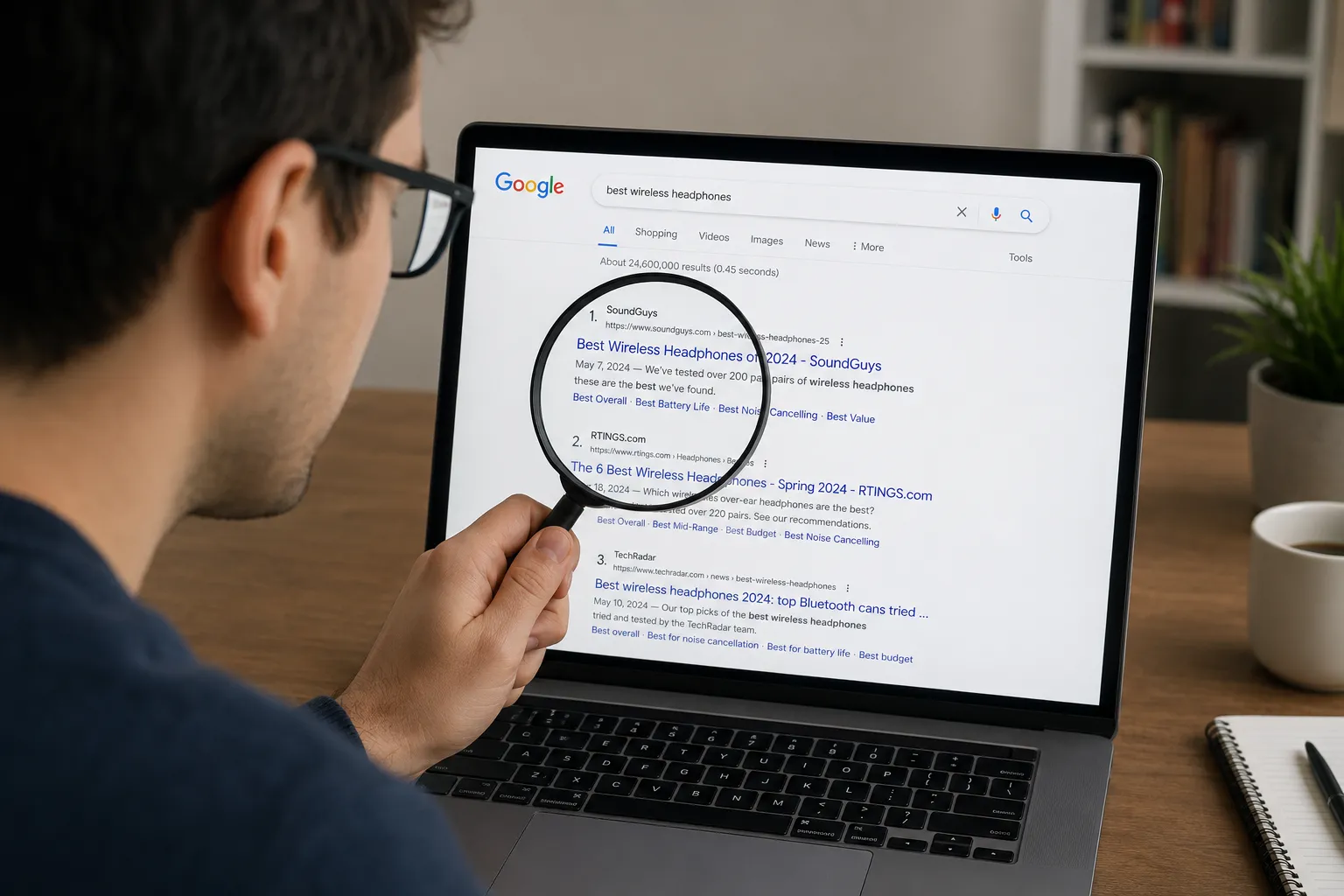
For the better part of two decades, the formula for getting found online was simple: show up on the first page of Google. To do that, you needed links. Essentially other websites pointing to yours, signaling to the algorithm that you were worth trusting. The more authoritative the link, the better (example: sites that have the .gov and .edu suffixes are the gold standard).
That playbook still matters. But something has quietly shifted beneath it, and if you run a business, it’s worth paying attention.
The Way People Search Is Changing
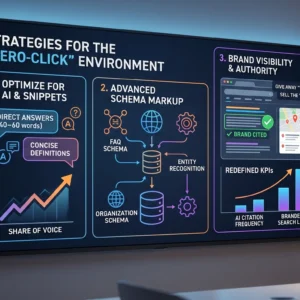
When someone types a question into Google today, they increasingly don’t scroll through links. They get an answer, generated by AI, synthesized from dozens of sources, delivered in a paragraph or two. The same thing happens when someone asks ChatGPT, Perplexity, or any of the AI tools that have become part of daily life. They get a response, not a list.
This changes the game entirely. The question is no longer just can people find your website. It’s does the AI know who you are, and does it trust you enough to mention you?
Links Got You a Click. Citations Get You Credibility.
In the old model, a backlink from a reputable site drove traffic. You could measure it. But the deeper value was that it told search engines you were legitimate.
In the AI model, what matters is whether your business, your expertise, and your perspective appear in the sources that AI systems are trained on and draw from. This means:
- Being quoted or mentioned in credible publications: trade press, local business journals, industry blogs with real editorial standards
- Having a clear, consistent point of view that gets attributed to you specifically (not just your category)
- Showing up in the places AI looks: Wikipedia-adjacent content, expert roundups, podcast transcripts, Q&A forums like Reddit and Quora
- Earning reviews and mentions on platforms AI trusts: Google Business Profile, Trustpilot, industry directories
None of this is new in isolation. What’s new is that these signals now feed directly into whether an AI names you, recommends you, or ignores you when a potential customer asks a relevant question.
What “Getting Found” Looks Like Now
Here’s a practical example. Say someone asks an AI assistant: “Who are the best marketing consultants in Philadelphia for small businesses?”
The AI doesn’t search for whoever has the most links. It draws on what it knows. It draws from the breadth and consistency of what’s been written about you, by you, and attributed to you across the web. If your name appears in thoughtful articles, if clients have described your work in detailed reviews, if you’ve been quoted as a source in trade publications those are the signals that put you in the answer.
Contrast that with a competitor who has a beautiful website, a solid SEO score, and almost no presence beyond it. To a human clicking through search results, they look credible. To an AI synthesizing what’s known about the space, they’re nearly invisible.
This Doesn’t Mean Links Are Dead
Let’s be honest: traditional SEO still drives real traffic, and a first-page Google ranking is still valuable. You shouldn’t abandon what’s working.
But the businesses that will win the next decade are the ones building something SEO never fully rewarded: genuine authority. Not the manufactured kind — not link schemes or keyword stuffing — but the kind that comes from being a real, recognized participant in your industry’s conversation.
That means publishing original thinking, not just optimized content. It means building relationships with journalists and editors who cover your space. It means showing up consistently on the platforms where your customers already are, so that when an AI is asked about your category, your name is part of the answer.
A Simple Way to Think About It
Old question: How do I get more links?
New question: If someone asked an AI to recommend a business like mine, what would it say and why?
If you don’t know the answer, that’s where to start. Search for yourself. Ask ChatGPT or Perplexity who they’d recommend in your category. See what comes back. The gap between what you find and where you want to be is your new marketing roadmap.
Getting found online has always been about trust. It’s just that the definition of trust has changed and the businesses that understand this first will have a real advantage.